

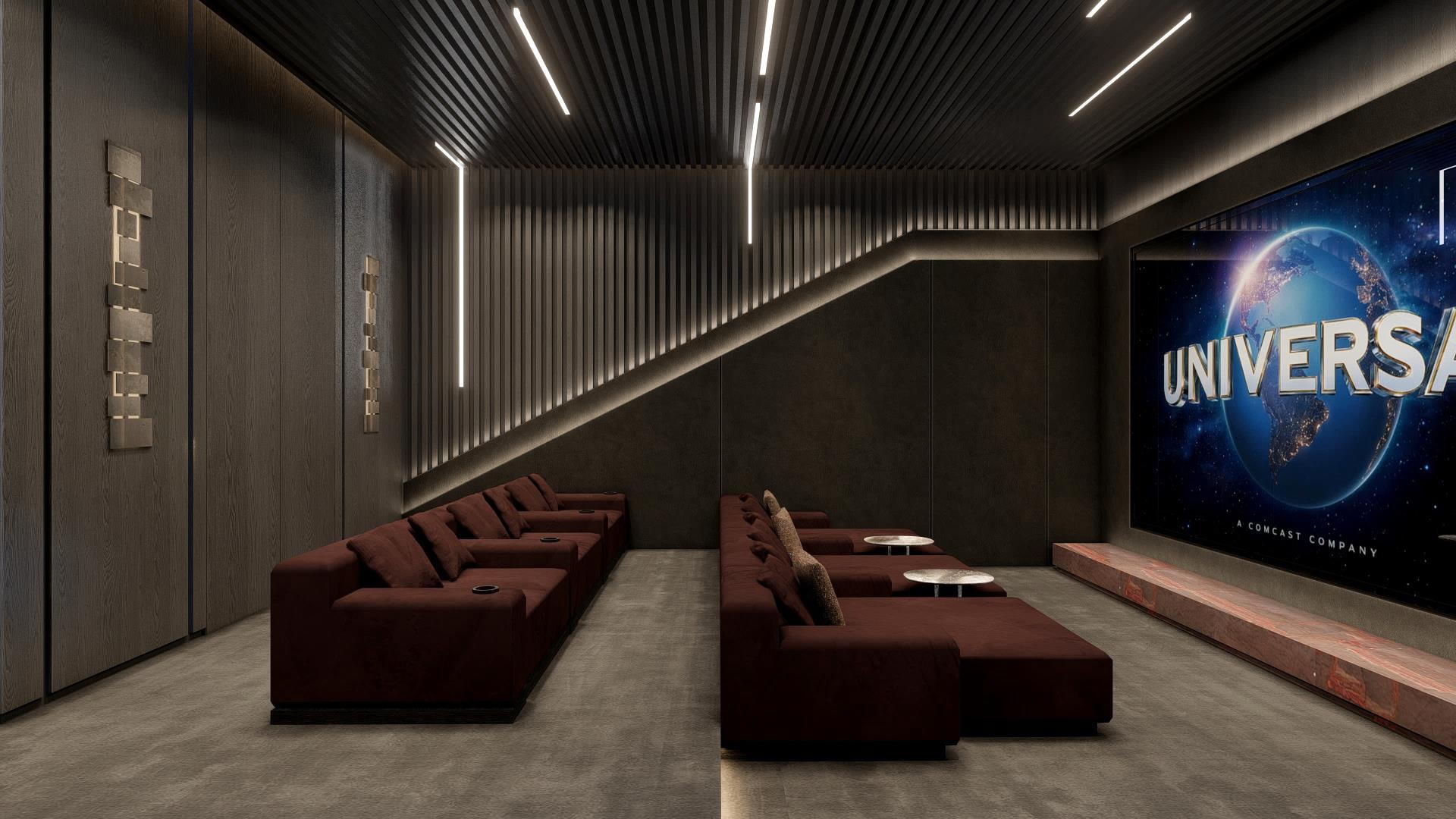
Well-considered AV design protects architectural intent and prevents downstream compromise.
As buildings across Africa become more complex and experience-driven, audiovisual systems have moved from being optional add-ons to essential infrastructure. AV now shapes how people communicate in corporate spaces, how brands are experienced in retail environments, how worship is delivered, and how luxury residences function day to day.
Yet despite its growing influence on spatial experience, AV is still frequently misunderstood within the project lifecycle. It is often introduced late, treated as installation rather than design, and left to be resolved after key architectural decisions have already been made.
When this happens, AV does not fail because of technology — it fails because it was never properly designed.
1. The Real Reasons AV Projects Fail
1.1 AV Is Treated as Installation, Not Engineering
One of the most common misconceptions in building projects is that AV simply involves installing equipment — speakers, screens, amplifiers, and cabling. In reality, AV is an engineering-led discipline that directly affects how a space performs.
Proper AV design involves:
- Acoustic modelling and reverberation control
- Sound pressure level and coverage prediction
- Sightline and viewing-angle analysis
- Control system logic and user experience
- Network and infrastructure planning
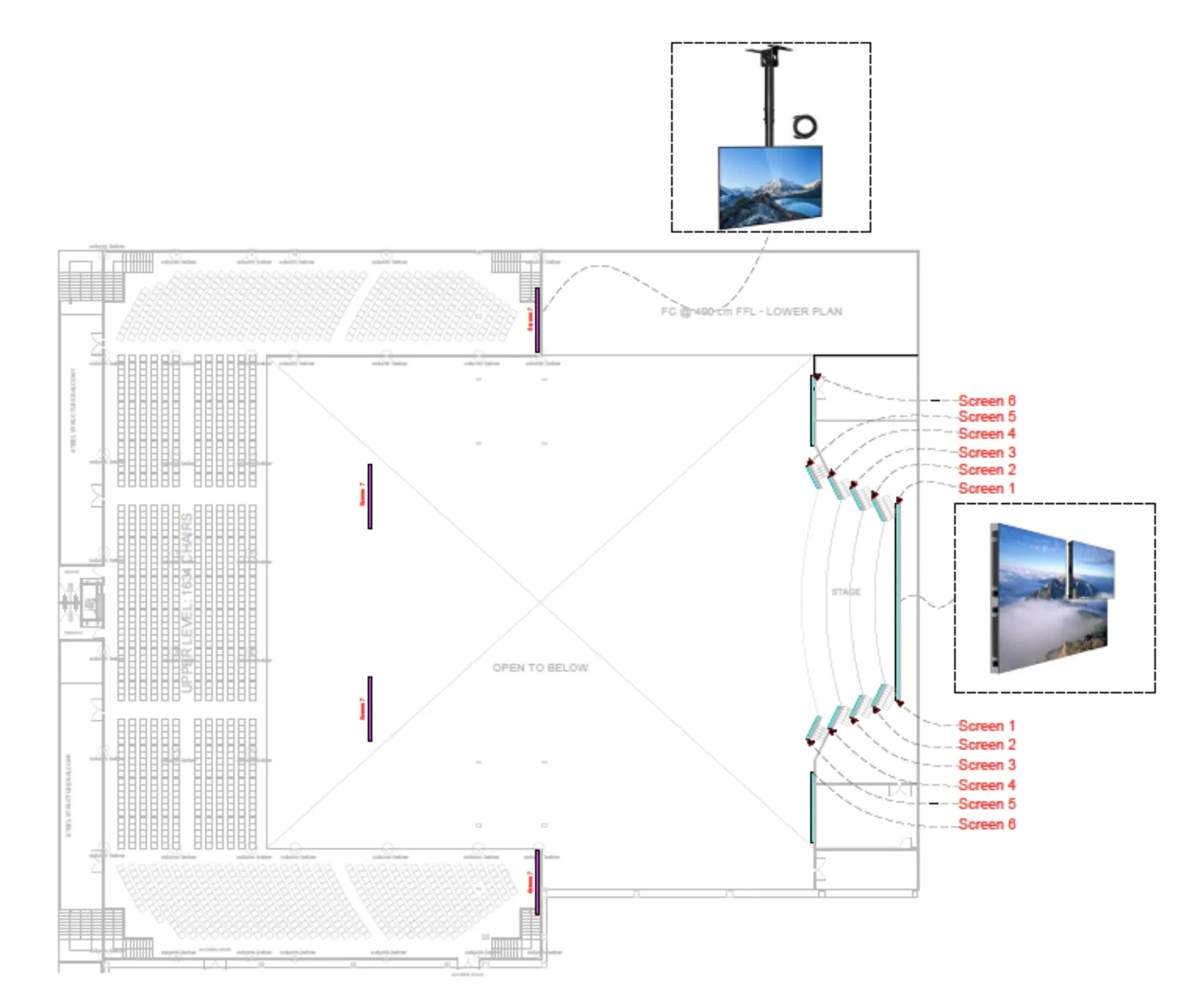
When these considerations are skipped, installation becomes reactive. Systems are forced into spaces that were never designed to support them. AV performance cannot be improvised after construction.
1.2 AV Is Introduced Too Late in the Project
In many projects, AV specialists are only engaged once ceilings are closed, walls are finished, and interior layouts are fixed. At that point, AV decisions are no longer design-led — they are compromises.
AV systems require space, power, ventilation, cable pathways, acoustic treatments, and coordination with other services. Late AV involvement almost always results in higher costs and reduced performance.
1.3 Acoustics Are Often Overlooked
Sound quality is determined far more by the room than by the equipment within it. Even the most premium speakers will underperform in a space that has not been acoustically considered.
- Excessive reverberation
- Poor speech intelligibility
- Standing waves and bass buildup
- Sound leakage between spaces
- Uncontrolled reflections
These are not technology failures — they are spatial and architectural coordination issues.
1.4 Equipment Is Selected Without System Design
When equipment selection is driven by sales rather than system design, mismatches occur — incorrect speaker types, underpowered amplification, poorly configured DSP, and inconsistent coverage.
In many cases, these mismatches reduce overall system performance by more than half.
1.5 Lack of Cross-Discipline Coordination
AV intersects with architecture, lighting, HVAC, IT, interior design, and furniture planning. Without early coordination, ceiling congestion, visual clutter, and service conflicts become unavoidable.
2. What Proper AV Consulting & Design Actually Achieve
2.1 Early Project Understanding
Effective AV consulting begins with understanding how a space is intended to function — not just technically, but experientially.
- User behaviour and occupancy patterns
- Functional intent of each space
- Budget alignment
- Long-term flexibility and scalability
2.2 Engineering-Led Documentation
AV consultants translate intent into clear, buildable documentation that integrates seamlessly into architectural and MEP drawings.
- System architecture and signal flow
- Cable routing and infrastructure planning
- Rack layouts and equipment schedules
- Acoustic strategies
- Clear scopes and BoQs
2.3 Coordination Across Disciplines
- Architectural teams
- MEP consultants
- Interior designers
- IT and smart systems teams
2.4 Acoustic and Room Performance Design
- Reverberation control strategies
- Material selection support
- Bass and low-frequency management
2.5 Vendor-Neutral Equipment Specification
Independent AV consulting ensures that equipment is selected based on performance and suitability — not brand bias.
- System-appropriate loudspeakers
- Correct amplification and DSP
- Long-term serviceability
2.6 Tender Review and Quality Control
- Technical tender evaluation
- Contractor capability review
- Commissioning and verification
A Better Way to Integrate AV
For architects, AV consulting is not about adding complexity. It is about protecting design intent, reducing coordination risk, and delivering spaces that perform as beautifully as they look.

